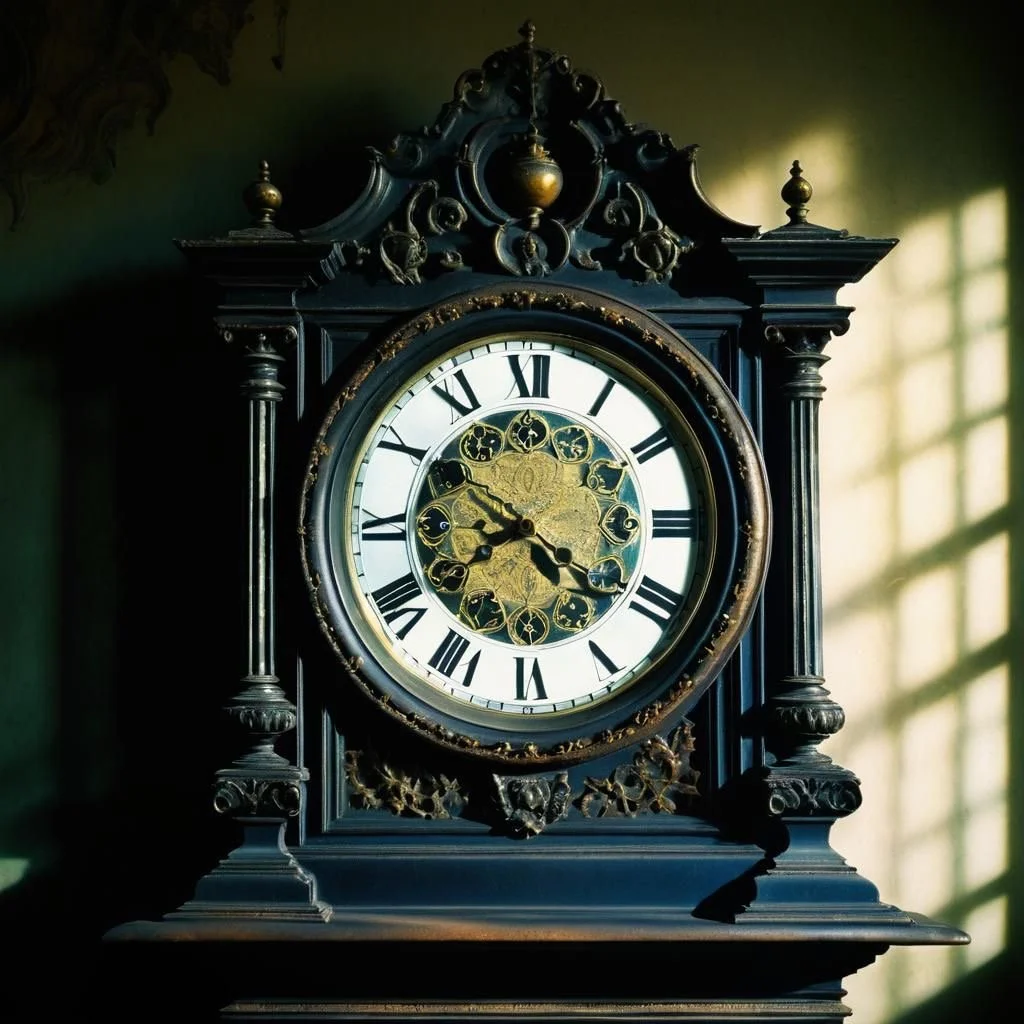
What would you like me to say?
From the silence, words emanate like a wave rising from the ocean and as quickly as they appear, they disappear. Sometimes the words are measured and sometimes frenetic. I have recently been saying that, for someone in silence, much is being said. I ask you, then, the question, “what would you like me to say?”
“What would you like me to say to ease the separation that ‘supposedly’ exists?”
The aching heart; what words can soothe that ache, like a soothing balm? How can I help? Knowing that these words are useless and yet, for the very few, some may prove useful as they move in the direction the words point to and dive deeply into the ocean of recognition. The recognition that in the annihilation of the drop is the life of the ocean. An openness; an aliveness; a resting occurs which informs us that my pain and my story is not real. That I have always rested as the ocean, whether consciously aware of it or not. My words are useless and yet, useful for those who will answer my question of,
“What would you like me to say?”

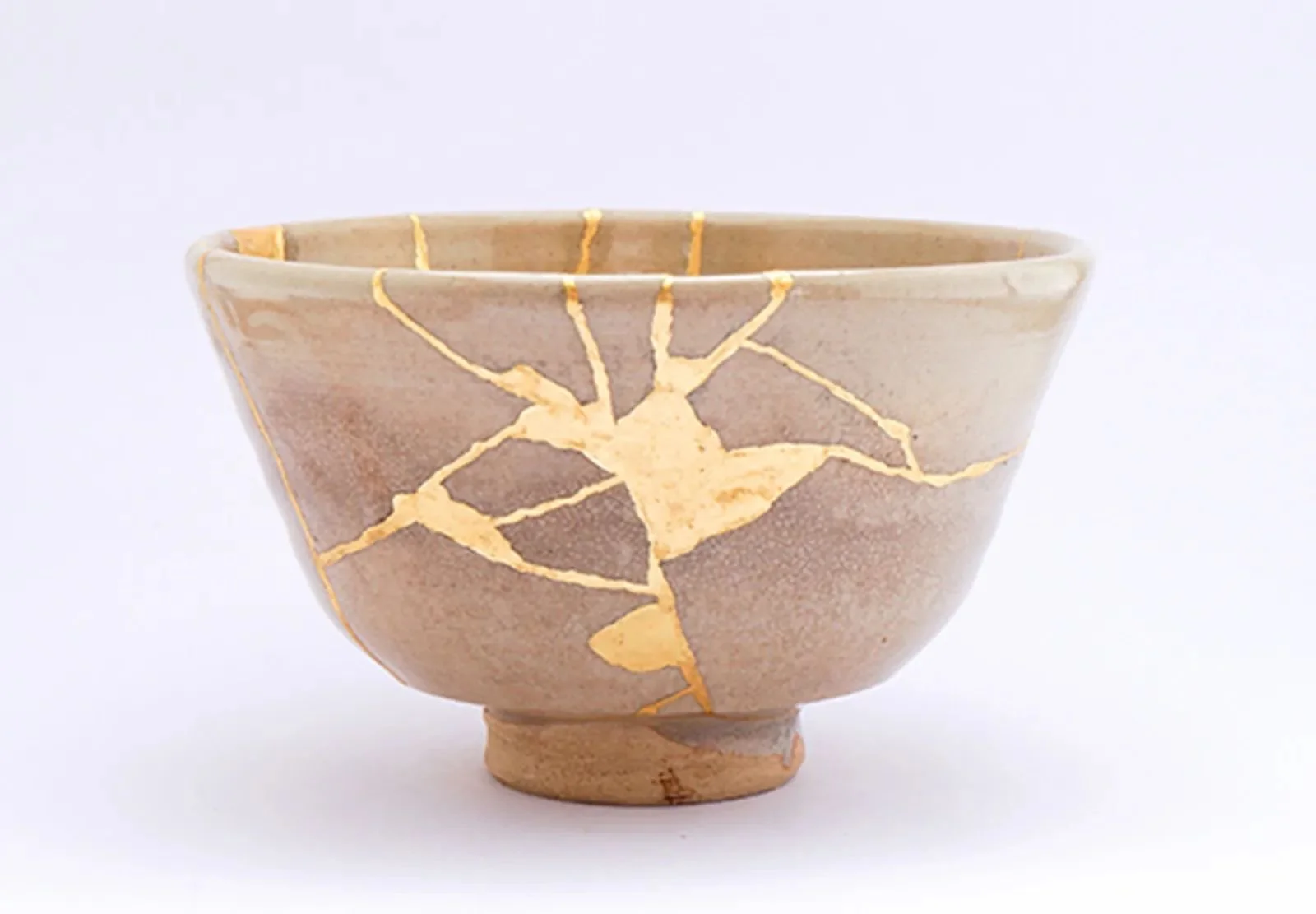
Kintsugi ~ Imperfectly Perfect.
The broken ones appear here. Labouring under the misapprehension that something is broken; that something is missing. That they are somehow not whole. That the wound needs healing. In Kintsugi, which is the Japanese art of mending broken objects, the Japanese believe by using Gold or Silver as an epoxy, the break is aggrandised. The idea being that something damaged and having history becomes more beautiful.
Similarly, Rumi states, “the wound is where the light enters.” Both viewpoints celebrate our imperfections and our flaws. Both see them as portals to transformation; not something to be hidden or used to limit ourselves, but instead to be celebrated. To celebrate and honour that which we once felt limited us, but when seen, is in fact the catalyst that sets us free. The flaws that caused us to seek, to ponder, to enquire and in seeing that this wound, this break, this reminder caused us to go free. To remember our true nature. To finally rest as we truly are.
Is there an inner or outer state?
Let us, for the sake of this writing, assume that there is. I have said at times that if one looks at their external state, it is a reflection of what is going on internally. Could, then, a shift in our internal state bring about a change in our external state and circumstances? The answer to this is a resounding yes. Taken further, if we were to examine this a little more deeply, we would see that the apparent external and internal states are in fact one and the same. That there is no demarcation line. That in the dream, there appears the idea that our internal state affects our external state and so forth, but it is in fact porous - leading us to ask, ‘where does one start and one end and vice versa?’
In this apparent play, no one state is in ascendency. They rise and fall as needed. Our internal state affects our external environment and our external environment affects our internal state. Each like the wave, rising and falling as is, but upon closer examination, being seen that it is not separate from the whole.
This collapsing of boundaries shows us both are one and the same, simply appearing to be separate and different, but in fact apparent appearances in the one reality.

I am and I contain multitudes.
A breath taken deeply became breath work. A moment of relaxation became meditation and when we felt grateful for just being, it became an attitude of gratitude. As we took what occurred in us naturally and controlled, codified and systemised it, we moved further and further from who we truly were. The story became pre-eminent and what was unnatural became natural and the natural became unnatural.
Yet, in this, the original breath, the original moment of relaxation and that original feeling of gratitude which emanated, naturally remained. Like a shining star above the wasteland guiding all those who felt it back to a place they never left and could never forget. That familiarity; that home can never be forgotten regardless of how much we control, codify and systemise the human experience.
By controlling the human experience, by conditioning the mind, we fail to realise that this appears as an aspect of consciousness - a sliver of consciousness - but what we are is immeasurable. If the drop feels it is only a drop then it is lost. If it sees that its actual nature is the ocean, it can never be lost. Always finding its way home. Only to realise in waking up from the dream, that regardless of how enticing the dream was, it was just a dream.
I cannot be controlled, codified or systemised. I am and I contain multitudes.

Life’s perfect timing
I am letting go of all that I once thought I could never let go of and yet, when I look at what is occurring, I see it is a natural movement. I see that so many of us want to let go, to accept and to be, and yet, because it is the illusory character wishing to do this, there comes with it an impatience and resistance. Impatience as we want everything on our timing and resistance because when inevitably we go against our natural way of being, there is resistance.
What then to do? Firstly, recognise that everything is perfect as it is right now even if it appears that it is not. Realise, too, that letting go or acceptance happens, not from the viewpoint of the story, but from our natural way of being and, as such, it occurs as and how it needs to. Life’s timing is perfect; our resistance to it comes from impatience which stems from a mind that, like a petulant child, wants everything now, now, now. If, however, we can recognise that life acts as and how and with the upmost efficiency, we can see that it’s “timing” is perfect and that if we trust that life takes care, then everything occurs as and how needed. Things simply flow and happen with the upmost efficiency and ease. All that is needed is a trusting and sensitivity to the moment. This perfect moment that you truly are and in which everything is happening as and how it is needed.