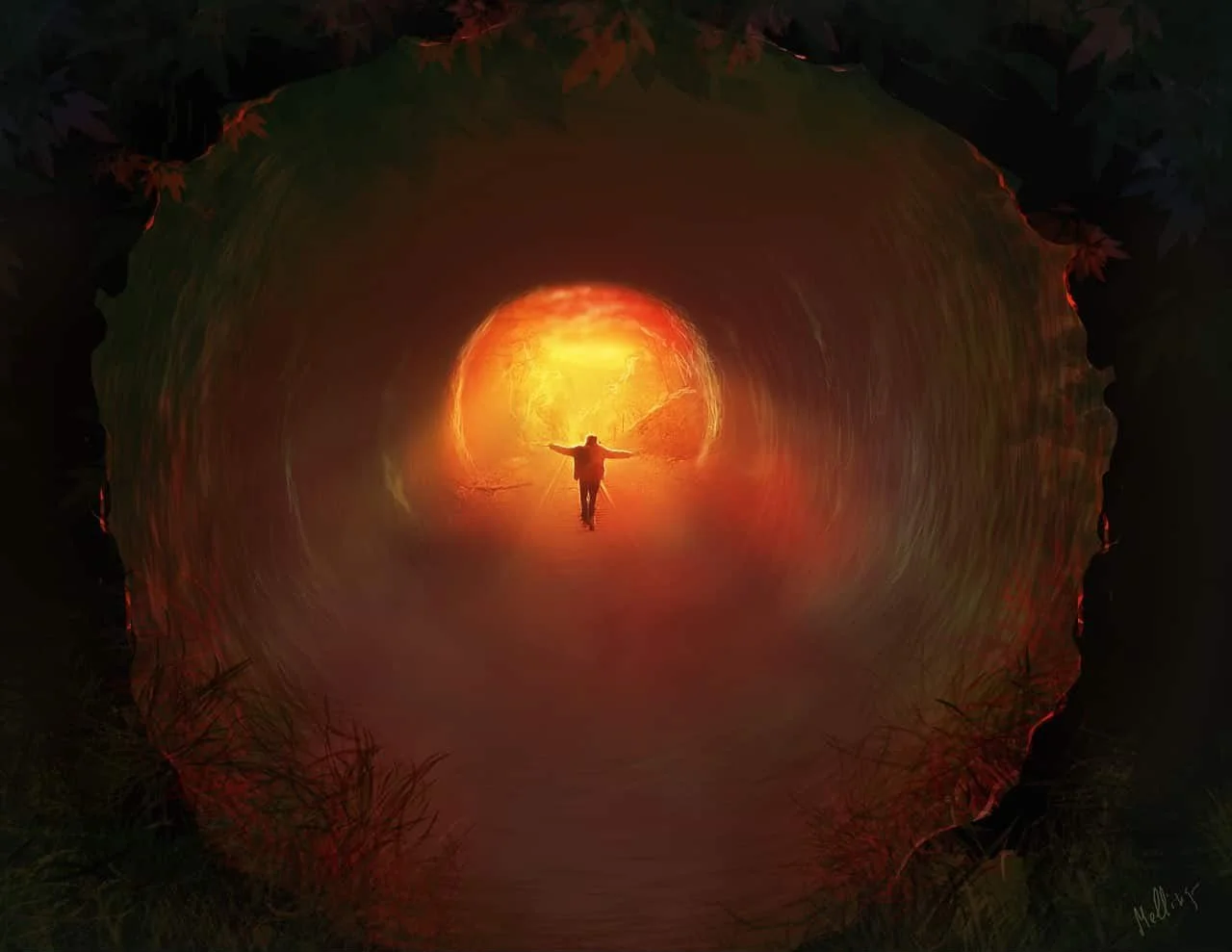
The Wound
For many, the wound is where the light does not enter. We enter into stasis; life stops, movement stops, growth stops. We grow older but mentally, we stay at the point where the wound was inflicted. We have become numb, believing this numbness to be a safety; a security. Our entire life, then, is defined by that moment. Everything we do; every decision we take. But this is not living. It is not our authentic self - it is a freezing in time. To be free of this, we must be willing to let the wound go. To allow ourselves to crack the shell of numbness, to feel, to confront our pain. This may feel overwhelming but if we are gentle and loving with ourselves, we can find our way to the holy land. If we realise that healing is not a sprint, but a journey that one can take their time with and that this journey must be undertaken with the upmost love and care towards oneself, only then does the light enter. Only then does life make sense and only then can we express and experience life openly and freely.
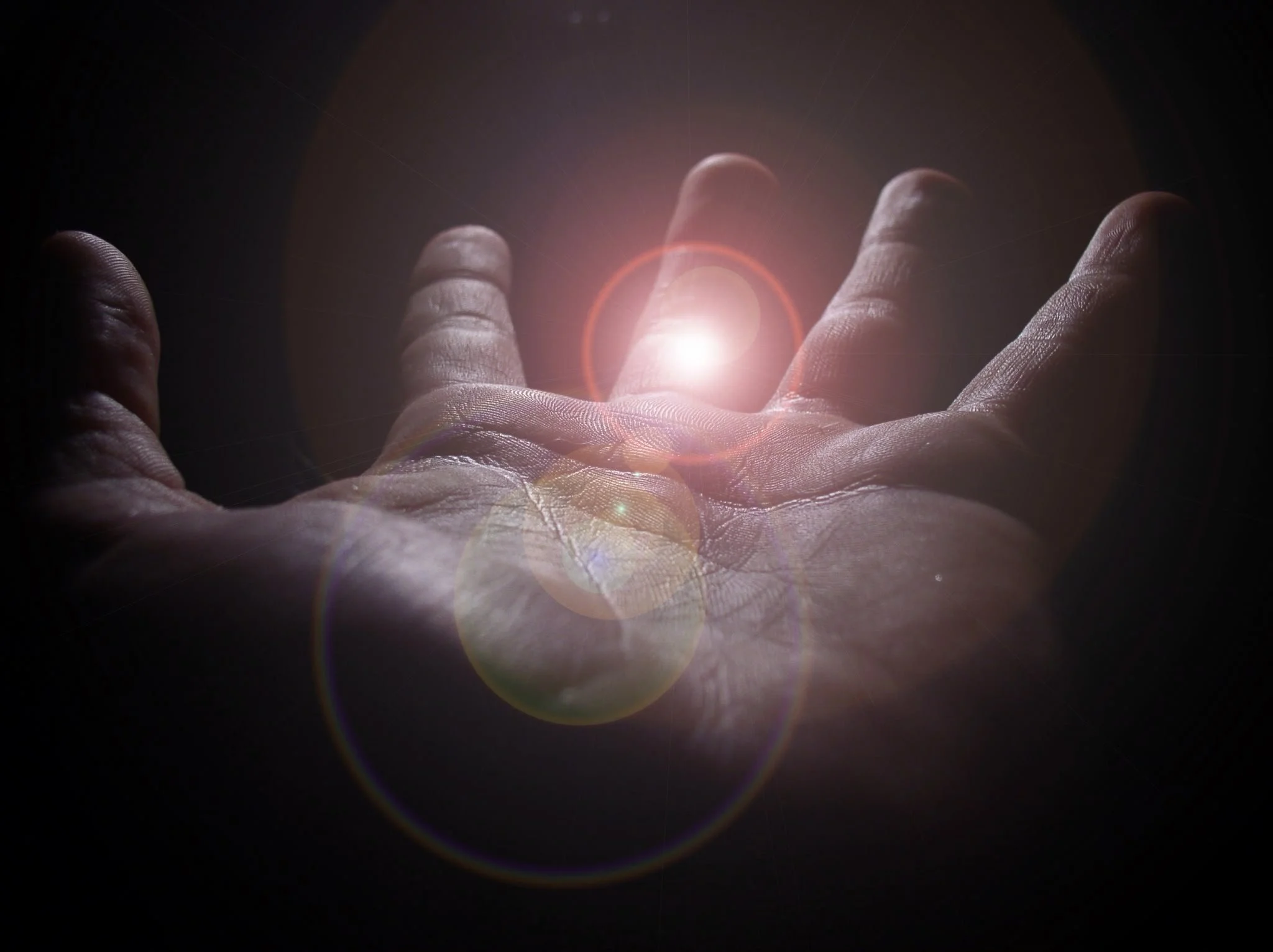
Your Love Has Made A Fool Of Me
Your love has made a fool of me.
Am I a wise fool, a sacred fool or just a fool?
From unlettered to lettered,
From ecstasy to sobriety,
Your love has made a fool of me.
Would it have been allowed to whirl in wild abandon for all my days,
Yet your love has made a fool of me.
I have left the tavern, drunk,
And having traded ecstasy for sobriety,
I take another journey now.
The pen is my Ruqs,
The words, my Sama.
I whirl a different way now,
Inwardly ecstatic, outwardly sober.
This world is a blank sheet,
What will I write?
What will I say?
All I know is your love has made a fool of me.
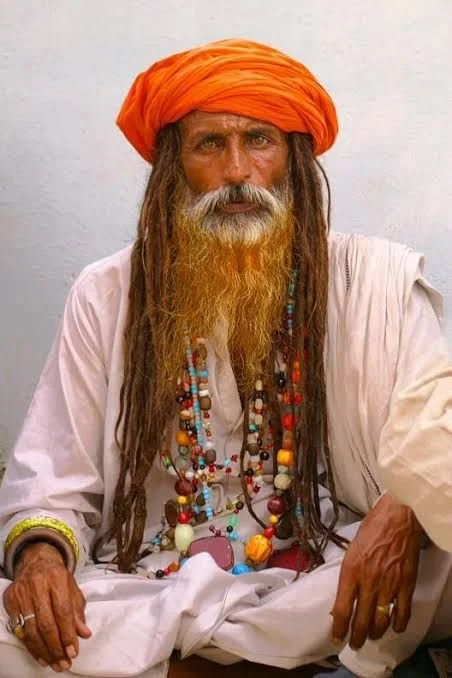
The Icarus Effect
Drunk on our own power, we believe ourselves to be Gods. Unaware of our own fallibility, we ascend to higher heights. Brought down like Icarus when we get too close to the sun, and yet in that loss, in that defeat, lies the answer to all things. Our hubris exposed; our limitations revealed. As we let go of the separate self, we find ourselves home - we find ourselves as we truly are; as we actually are.
Zahir Khan
(Painting by Jacob Peter Gowy ~ The Flight of Icarus)
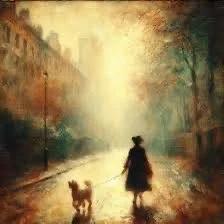
The Lady with the Dog
She walks her dog,
Religiously every day.
Stopping to speak to folk,
Enquiring how they are.
Today, she’s speaking about the ducks with my friend.
Everyone knows her,
I recall speaking to her, too.
“I have Alzheimer’s”, she told me,
So, maybe she speaks to keep the memories alive.
Twenty-five minutes and it’s the dog’s mealtime,
She got him from the vets.
The routine keeps the mind alive;
Stops it from falling into the abyss,
Stops it from glitching.
She’s swearing now, as I write this,
Even her “fuck” sounds posh.
Now she’s telling her about the Grandpa,
He was a vet, you know, in Coventry.
Memories come rushing in,
She’s from my city,
She’s one of my own.
Why do we remember yesteryear so easily?
But forget what we did only seconds ago.
Maybe we are all in that remembering and forgetting
Maybe we are all struggling to stay alive.
Zahir Khan
Maybe I Cared Too Much…
Maybe I cared too much,
Maybe I loved too hard,
All I wanted to do was save you,
All I wanted was to take care of you.
But, here is the cold hard bitter truth:
I couldn’t save you,
I couldn’t take care of you,
But then, I ask, why did I want to fix you?
Was I too scared to admit that I wanted to fix you so you would fix me?
That by saving your world I would save mine, too.
I had it wrong,
I had to find me before I found you.
So here, I sit knowing who can help me;
Who can fix me.
A thousand emotions scream in me,
I’m tired;
I’m scared.
But, no longer do I have a choice,
This inward journey is the one I must take.
Time to look at the reflection;
Time to meet the one I avoided;
Time, now, to go home.
Zahir Khan